Biodiversity and landscape initiatives
SIPEF operates in ecologically rich regions that are home to tropical forests and abundant biodiversity. We recognise our unique position and are committed to protecting and enhancing natural ecosystems, while reducing climate-related impacts. This includes decoupling deforestation from agricultural production and embedding sustainable land-use principles across our operations.
Our commitments are articulated in our Environmental and Biodiversity Policy, Responsible Plantations Policy, and Responsible Purchasing Policy, which establish clear requirements for responsible land management, biodiversity conservation, and sustainable sourcing throughout our supply chain. These policies are further reinforced through compliance with the principles and criteria of the Roundtable on Sustainable Palm Oil (RSPO), including the implementation of social and environmental management plans derived from independent, peer-reviewed social impact assessments, as well as High Conservation Value (HCV) and High Carbon Stock (HCS) assessments. This ensures that ecological and cultural landscapes are identified, protected, and monitored. SIPEF’s biodiversity approach is built around two strategic pillars:
1. conserving high-value ecosystems through our no deforestation, no peat, and no exploitation (NDPE) commitments, and by protecting and monitoring designated set-aside areas
2. enabling integrated landscape initiatives that combine conservation, restoration, and sustainable livelihoods to build climate-resilient production landscapes
Conservation areas within SIPEF’s concessions
Within our concessions in Papua New Guinea and Indonesia, SIPEF has permanently set aside thousands of hectares of HCV and HCS areas as conservation zones.
HCV areas are natural habitats with significant biological, ecological, social, or cultural values. They are identified and managed to maintain or enhance biodiversity, ecosystem services, and sites of importance to local communities, in line with RSPO and High Conservation Value Network (HCVN) guidance.
HCS forests are tropical forests recognised for their role in carbon storage, biodiversity, and community use. The High Carbon Stock Approach (HCSA) distinguishes these areas from land suitable for development and supports their conservation to halt deforestation, particularly in the palm oil sector.
SIPEF’s commitment to conserving HCV and HCS areas helps ensure these irreplaceable ecosystems remain intact, enabling them to sustain biodiversity, sequester carbon, and support communities.
Integrated landscape management programmes
SIPEF has a strong track record of designing and implementing ambitious, landscape-level biodiversity initiatives near our operations in Indonesia. These programmes integrate conservation, forest restoration, and sustainable livelihoods to protect high-value ecosystems while supporting community well-being and enhancing climate resilience.
SIPEF Biodiversity Indonesia (SBI)
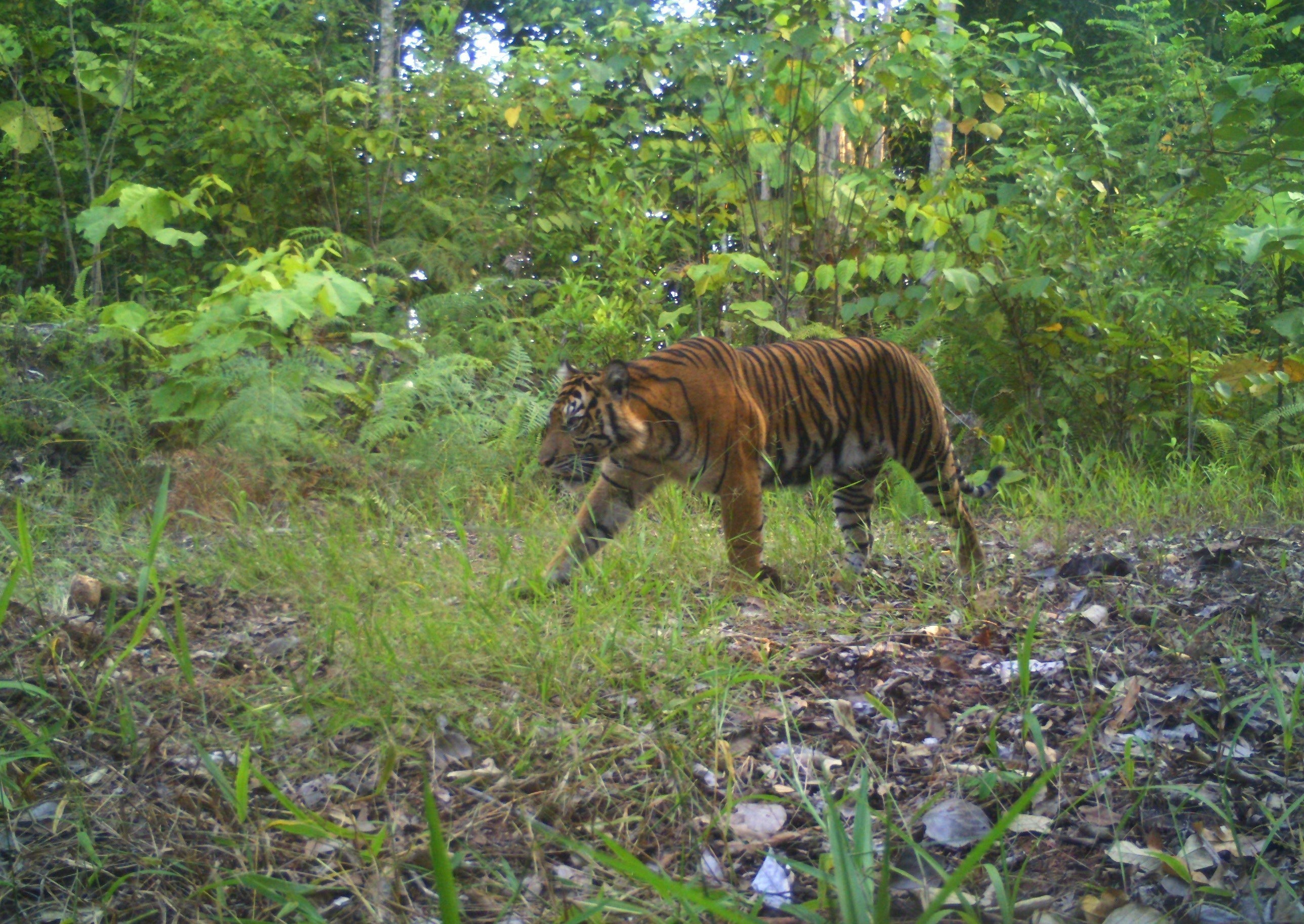
The SIPEF Biodiversity Indonesia (SBI) programme is a 12 656-hectare ecosystem restoration initiative adjacent to Kerinci Seblat National Park. It focuses on reforesting degraded land, community engagement through agroforestry programmes, and biodiversity protection, with a particular emphasis on the critically endangered Sumatran tiger. In addition to the Sumatran tiger, wildlife camera traps have recorded other key species, including clouded leopards and Malayan sun bears.
Tiger monitoring is conducted in collaboration with the Zoological Society of London (ZSL) and the local non-governmental organisation (NGO) SINTAS. ZSL has highlighted the SBI project as an example of how companies can support conservation in tropical agriculture and forestry.
Sea turtle conservation project
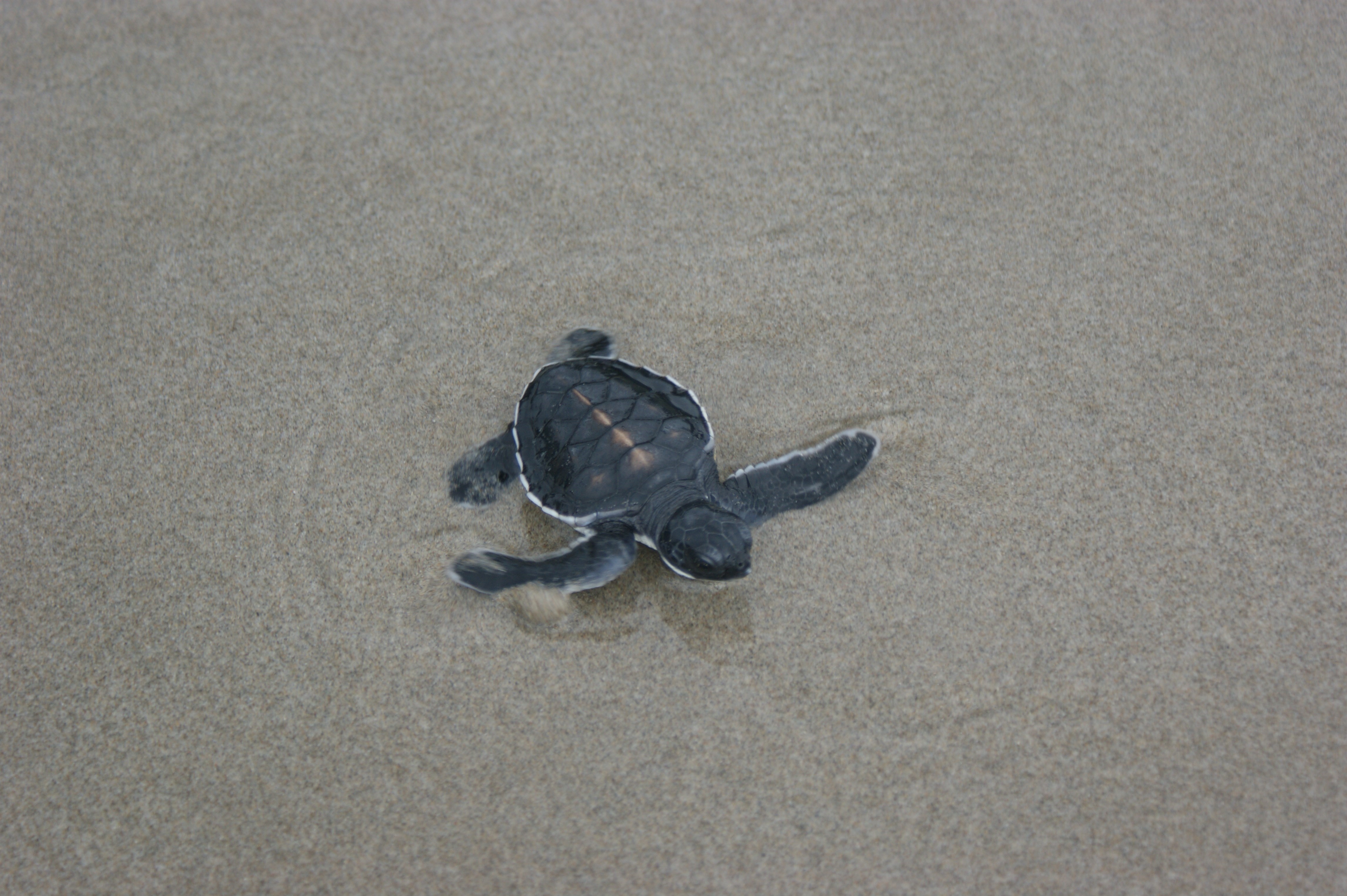
Along a 6.5-kilometre stretch of beach in Sumatra, SIPEF protects nesting sea turtles through a community-led conservation initiative implemented by its Indonesian conservation foundation, Yayasan SIPEF Indonesia (YSI). The programme safeguards turtle nests by collecting eggs from vulnerable beaches, incubating them in controlled facilities, and releasing hatchlings safely into the ocean. The project is jointly managed by YSI and local communities, in collaboration with local authorities.
New Britain Sustainable Landscapes Initiative (NBSLI)
SIPEF is planning to pilot the NBSLI in Papua New Guinea, which will integrate forest conservation, sustainable land use, and inclusive development at a landscape scale. The initiative aims to conserve the forest habitat around a lake located within a volcanic caldera at the edge of SIPEF’s production landscape. Situated within the globally recognised New Guinea biodiversity hotspot, the area forms part of one of the richest yet least-studied regions on Earth and holds deep cultural significance for surrounding communities. Protecting this forest will safeguard irreplaceable natural and cultural heritage for future generations.