Research and development
SIPEF invests in research through a shareholding in palm oil production research centre, Verdant Bioscience Pte Ltd (VBS). VBS is among the first Indonesian seed producers to market semi-clonal seeds, produced from clones of female seed palms via tissue culture. This process enables the commercial production of selected elite crosses under the Verdant Select brand, which have been extensively tested in both Papua New Guinea and Indonesia.
VBS is also developing the world’s first trial-proven, high-yielding F1 Hybrid varieties for the oil palm industry. These crops have the potential to double yield per hectare, helping to meet demand while reducing pressure for land conversion and biodiversity loss. In 2024, harvesting began on the first significant area planted with the new commercial Verdant Select material, which delivered the highest commercial first-year yields achieved to date.
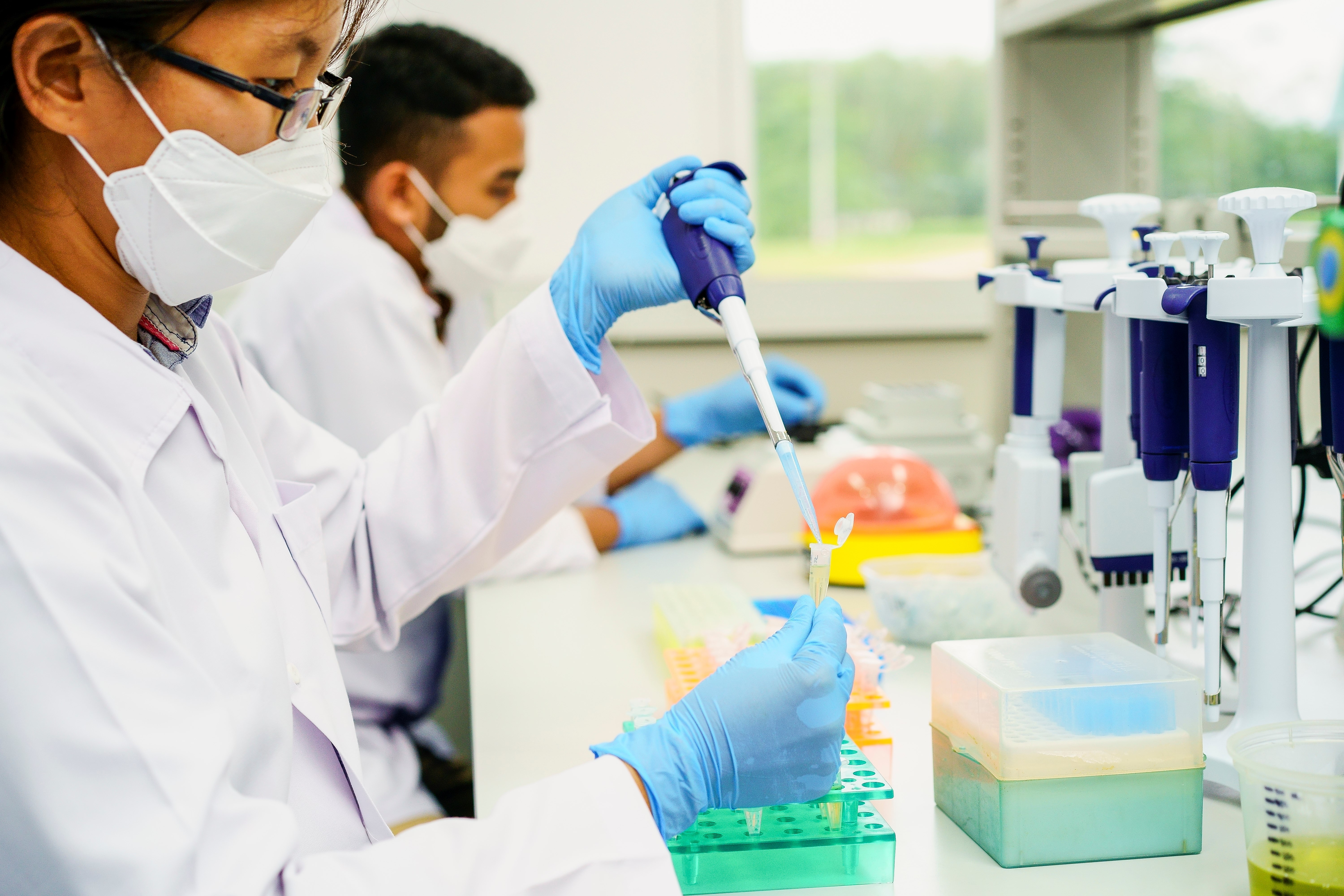
Increasing yield per unit of area is widely regarded as the most effective way to meet growing global demand for vegetable oil without expanding oil palm cultivation. Achieving such gains would help to avoid further pressure on rainforests and biodiversity and would represent a significant development for a crop of major global economic importance.
F1 Hybrid variety
Seeds produced from a selected F1 Hybrid variety are expected to deliver higher yields and greater genetic uniformity. This uniformity within each variety enables more consistent plantation management, including harvesting practices, nutrient application, and replanting timing.
Despite operational challenges posed by the pandemic, the F1 Hybrid programme continued to progress. Teams raised candidate hybrid crosses in nurseries and planted them in the field in 2021. Testing of new F1 Hybrid crosses continues annually, using female plants from different genetic backgrounds. The programme has also increased the frequency of crosses involving F1 Hybrid palms derived from diverse, well-defined genetic backgrounds. The first-generation offspring from these parental plants show the potential for significantly improved yields.
Disease tolerance
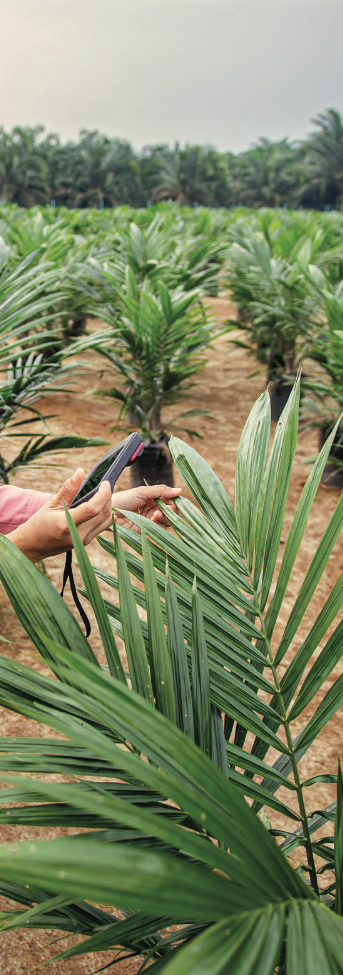
Ganoderma disease is a major threat to oil palm cultivation, often causing significant commercial losses through reduced palm density per hectare and lower yields after first-generation plantations are replanted. To address this, VBS is working to develop F1 Hybrids that are tolerant to the disease.
Hybrid crosses are initially screened in the nursery for disease tolerance, drought tolerance, and variation in nutrient uptake. Promising crosses are then field-tested across a variety of environments, including locations with high Ganoderma inoculum, to accelerate selection and ensure that commercially released hybrids are resilient under real-world conditions.