About Hargy Oil Palms
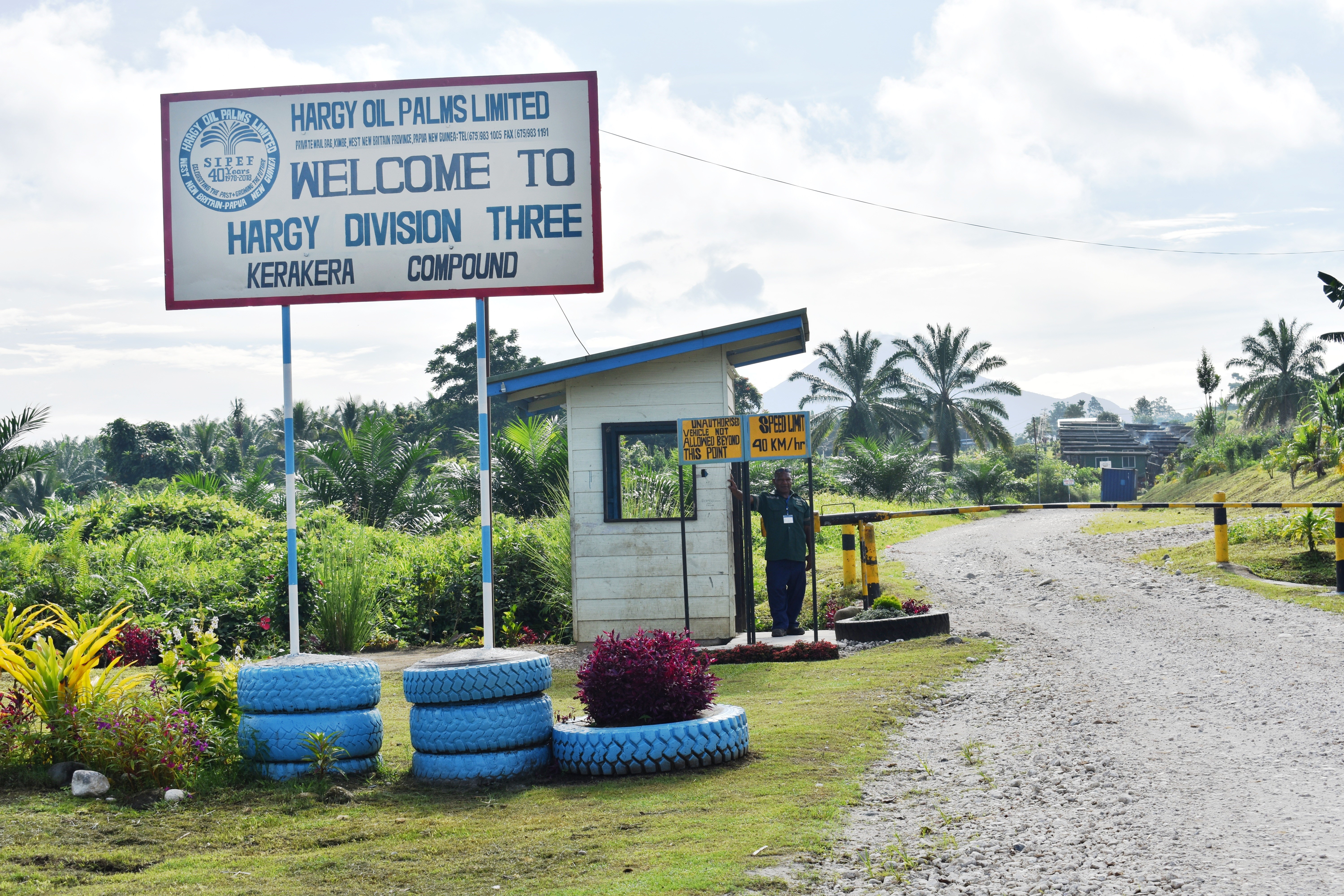
Hargy Oil Palms Limited, incorporated in 1976, is wholly owned by SIPEF. The company is committed to promoting the well-being of its 4 852 employees and their families, supporting their focus and dedication to achieving its vision and mission.
Hargy Oil Palms' main activities include the cultivation, cartage, milling, and export of premium quality palm oil. It is a major grower and producer of fresh fruit bunches (FFB) in Papua New Guinea, operating six oil palm estates as well as 3 640 certified smallholders, with each estate and its surrounding smallholders forming a dedicated supply base for Hargy Oil Palms' three mills and two kernel crushing plants.
Crop production follows a nucleus estate model, with three mill processing facilities. Approximately 60 percent of FFB is produced by Hargy Oil Palms and 40 percent by independent smallholders. Within 20 hours of harvesting, FFB are transported to the nearest mill for oil extraction, ensuring the production of premium quality oil for export to the European market.
Hargy Oil Palms' palm oil is in demand due to compliance with the Roundtable on Sustainable Palm Oil (RSPO) and plantation governance criteria, guaranteeing consistent premium pricing. Hargy Oil Palms aims to be a world leader in sustainable palm oil, producing certified, traceable, and globally marketed oil palm products from Papua New Guinea.
Hargy Oil Palms' estates
Hargy Oil Palms manages six estates of plantations along the coast of the island of New Britain: Hargy, Barema, Atata, Kiba, Ibana, and Bakada.
Hargy Oil Palms mills
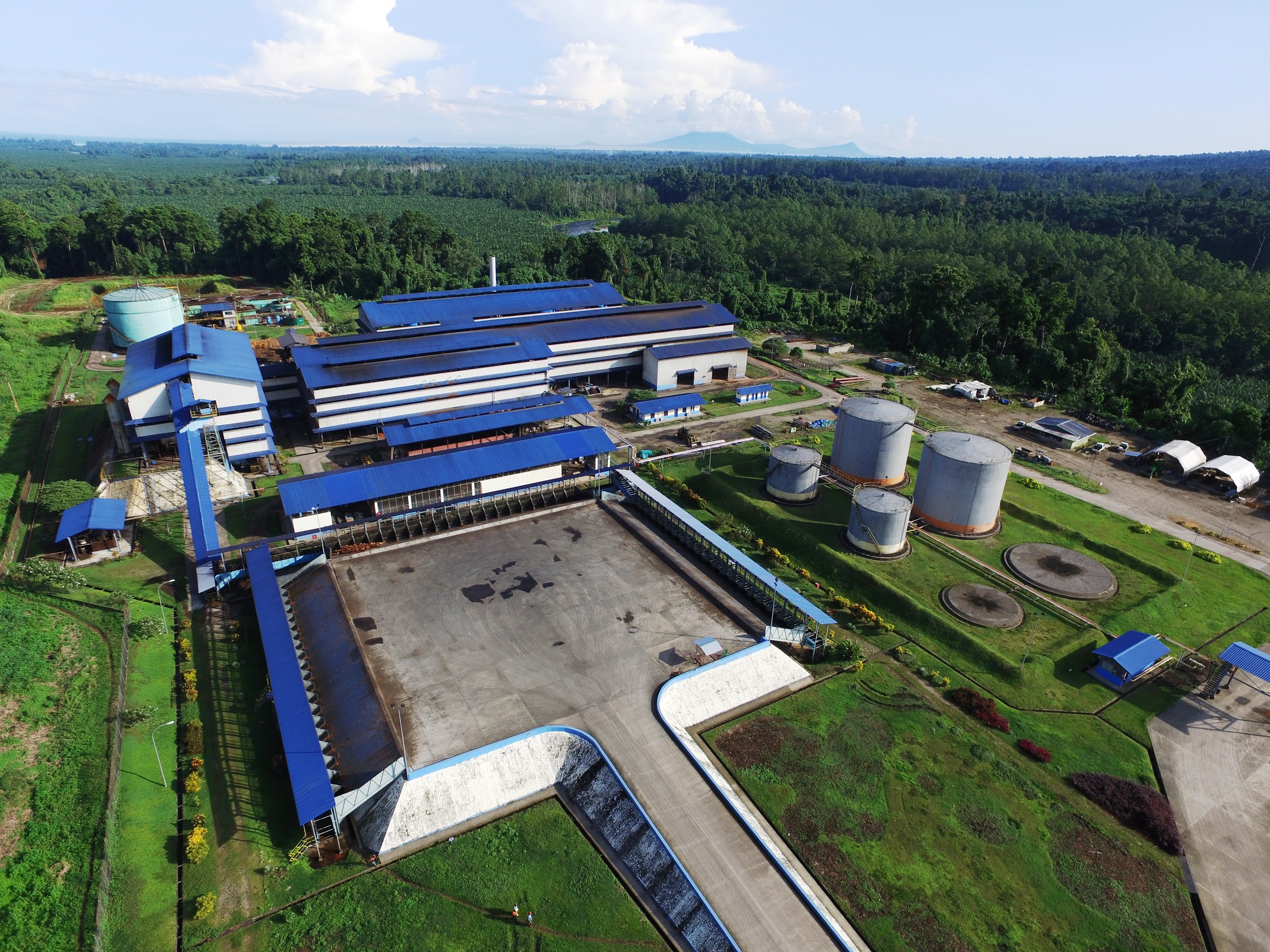
Hargy Oil Palms owns and operates three palm oil mills. Each mill has the capacity to produce 45 tonnes of palm oil per hour. The total milling capacity for producing both crude palm oil (CPO) and crude palm kernel oil (CPKO) is at the rate of 135 tonnes and 10 tonnes per hour respectively, in strict compliance with RSPO Principles and Criteria.
Both the Hargy and Navo palm oil mills have a conventionally designed system which uses a horizontal cage steriliser with an effluent pond system when extracting oil from FFB.
In contrast, the Barema palm oil mill uses a hydraulic tilting steriliser system, as well as utilising methane gas that is captured and converted into renewable energy to generate electricity for the mill.
Meet Hargy Oil Palms' management
Hargy Oil Palms' operations in Papua New Guinea are guided by an executive committee. The committee comprises the general manager, the company secretary, and the heads of six key departments, each responsible for a core aspect of the business. This structure ensures coordinated leadership across plantation management, engineering, sustainability, finance, human resources, and smallholder affairs.
How Hargy Oil Palms got its name
The word ‘Hargy’ originated from a United States Army Air Force Major by the name of Fred Hargesheimer. He was a fighter pilot engaged in battle against the Japanese army over the South Pacific region during World War II. Whilst engaged in fighting in Papua New Guinea, his plane was shot down into the jungle at Bialla, West New Britain Province in June 1943. Fortunately, the local people came to Fred’s rescue, protected him against enemy forces and nursed him back to full recovery. This act of kindness from the indigenous people moved Fred to show his appreciation by establishing local community schools as well as the Airmen’s Memorial Foundation after the war had ended. The schools are located jn the villages of Ewasse and Noau, and receive regular support from Hargy Oil Palms.