SIPEF Biodiversity Indonesia
SIPEF Biodiversity Indonesia (SBI) is a biodiversity conservation and ecosystem restoration initiative established by the SIPEF group in Indonesia.
The initiative covers 12 656 hectares next to Kerinci Seblat National Park in the Bengkulu region. It supports forest restoration and community-led stewardship, working with surrounding communities to help ensure that rare, threatened and endangered species, including the Sumatran tiger (Panthera tigris sumaterae) and Sumatran clouded leopard (Neofelis diardi diardi), continue to thrive in the landscape.
As of 2024, SBI has restored 286 hectares of degraded land and supported 376 smallholder farmers through agroforestry programmes. Since 2016, more than 91 000 native trees have been planted. Camera traps have recorded rare wildlife, including clouded leopards, Malayan sun bears, and the critically endangered Sumatran tiger.
SBI is one of 16 Ecosystem Restoration Concessions (ERCs) in Indonesia, licensed under Ministerial Decree No. 622/Menhut-II/2013.
The conservation area includes lowland, premontane and montane rainforest of high biodiversity value. The forest is adjacent to, and acts as an important buffer for, Kerinci Seblat National Park in Mukomuko District, Bengkulu Province.
Forest protection
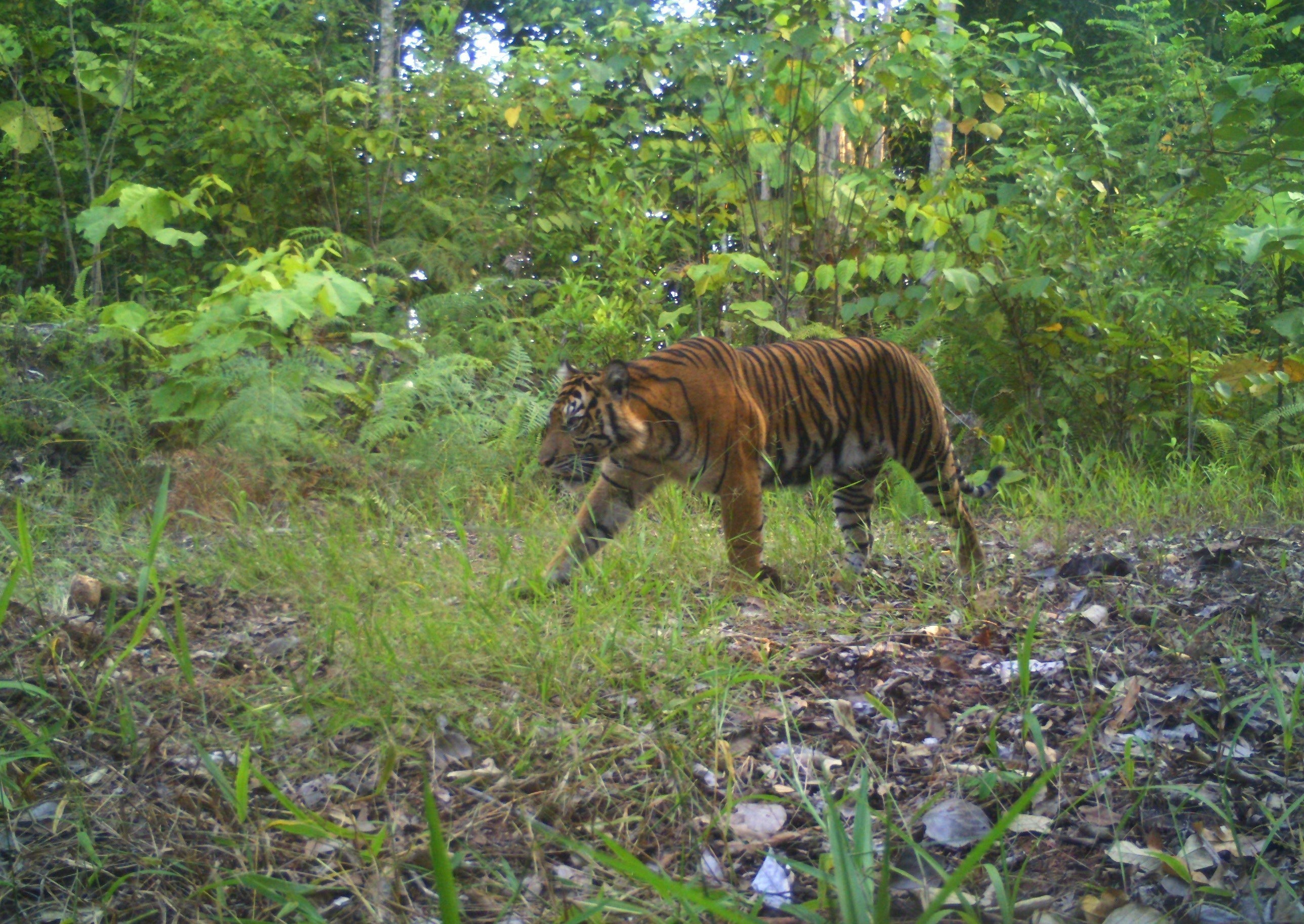
Tiger monitoring is carried out in collaboration with the Zoological Society of London (ZSL) and local non-governmental organisation, (NGO), SINTAS. ZSL has profiled the SBI project as an example of how companies can support conservation in tropical agriculture and forestry.
SIPEF has set a target to restore 1,123 hectares of degraded land within SBI by 2033, reaffirming its long-term commitment to conservation and community-led landscape management.
Turtle conservation
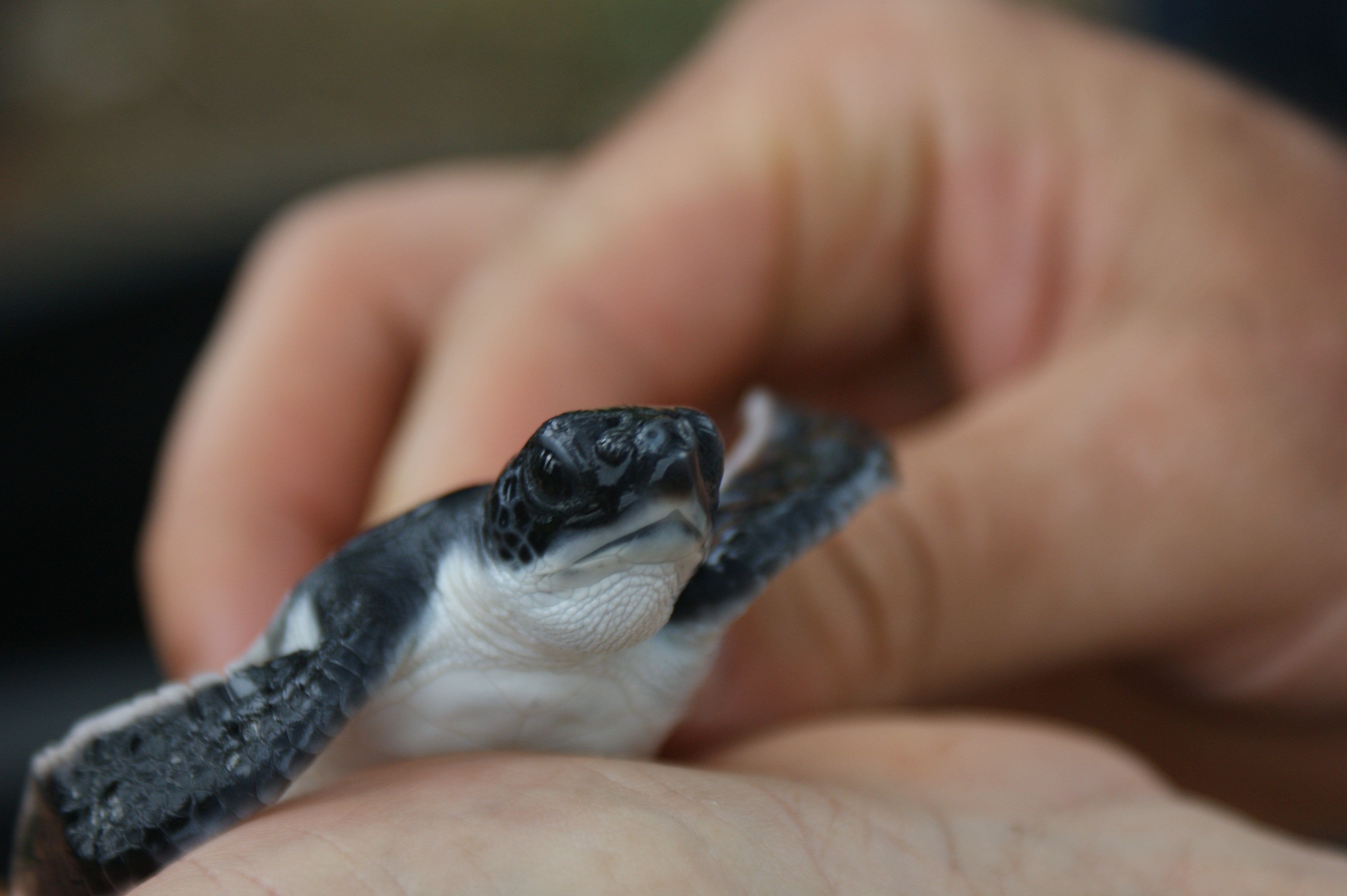
Since 2010, Yayasan SIPEF Indonesia (YSI) has provided active support with turtle conservation activities under the supervision of Badan Konservasi Sumber Daya Alam (BKSDA) Bengkulu. The project provides technical support in the field wirh security patrols, egg collection, hatching turtles, and releasing hatchlings into their natural habitat. This process helps fight against natural risks, such as predators, poaching, and nests lost to beach erosion. The project also serves as an important venue for environmental and conservation awareness for the local communities and schools.