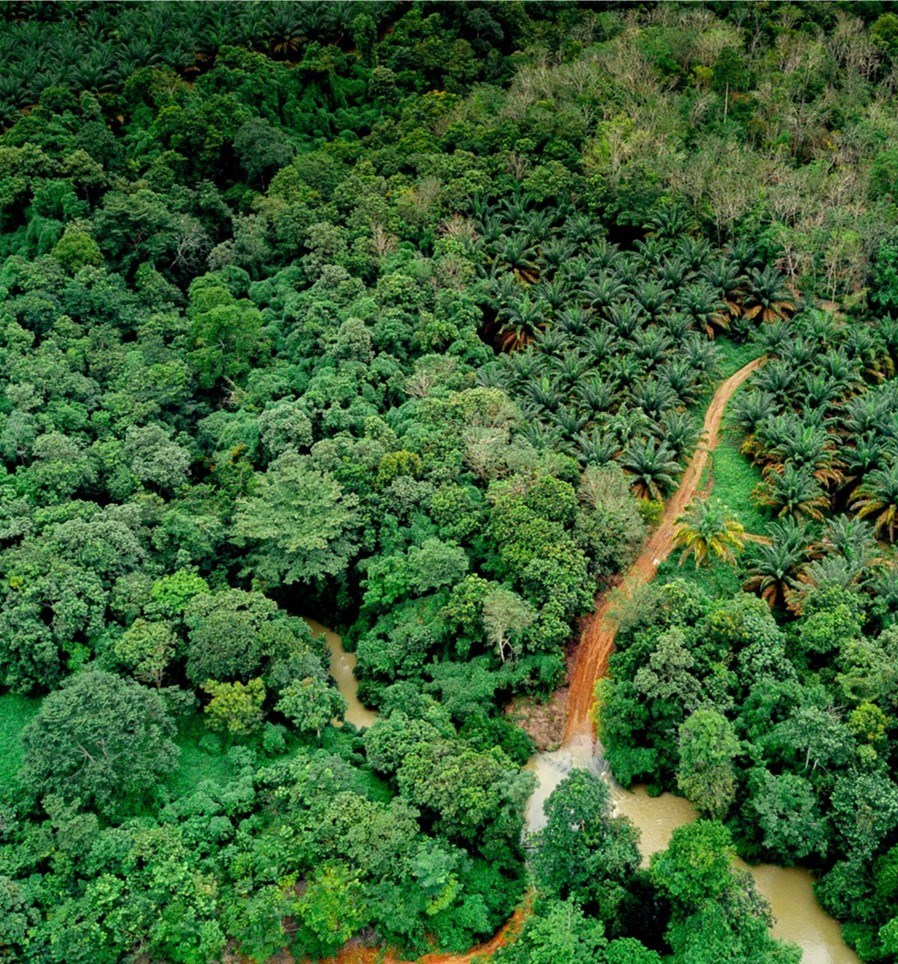
Palm oil
Palm oil is the most widely produced, consumed, and traded vegetable oil in the world. It is used in food products including cooking oil, margarine, baked goods, confectionery, and ice cream; cleaning products like soaps, detergents, shampoos, and skincare; and it also has industrial uses in products such as lubricants and bio diesel.
In 2024, 87% of the palm oil produced by SIPEF was certified by the Roundtable on Sustainable Palm Oil (RSPO); we plan to reach 100% by 2030.
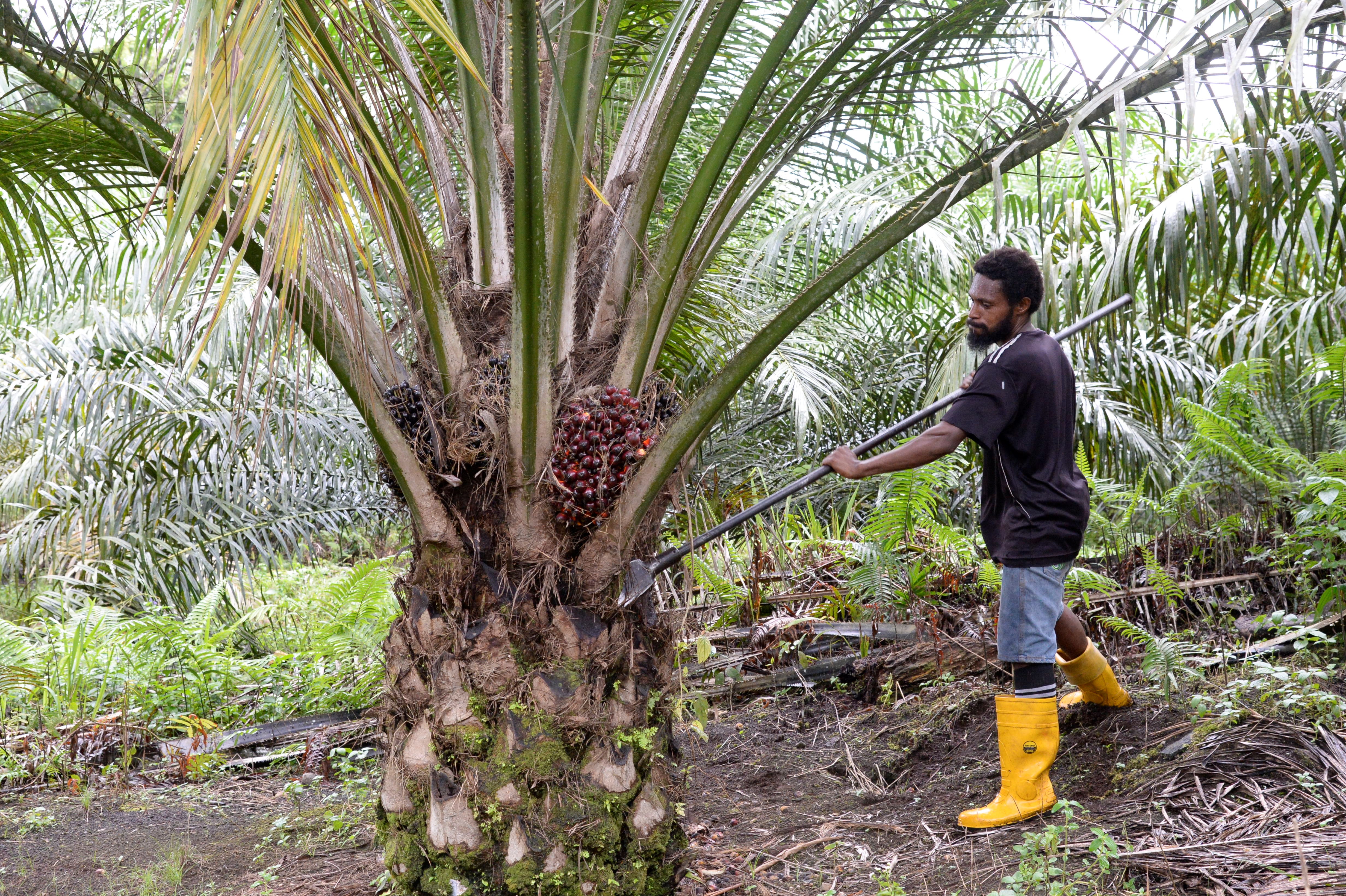
Oil palm is the world's most land-efficient oil crop. The global average oil yield per hectare for oil palm is at least eight times larger than that of soybeans and about six times larger than that of rapeseed. It also requires the lowest input of pesticides, fertilisers, and fossil fuel per unit production of oil. Globally, palm oil makes up 40% of the world’s vegetable oil demand on just under six percent of the land used to produce all vegetable oils.
A perennial crop, oil palm only needs to be replanted every 20–25 years. It also supports greater biodiversity within production areas compared to widely cultivated annual crops, such as soybean, rapeseed, sunflower and maize.
This efficiency is critical for global food security. As the world’s population grows and available arable land shrinks, high-yielding crops like oil palm help to meet demand without expanding agricultural boundaries.
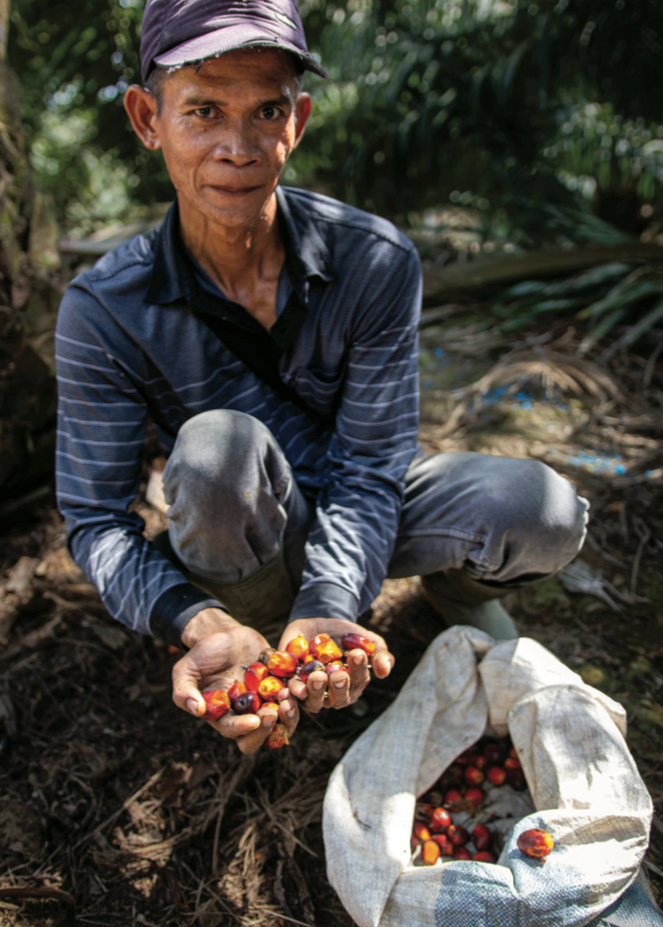
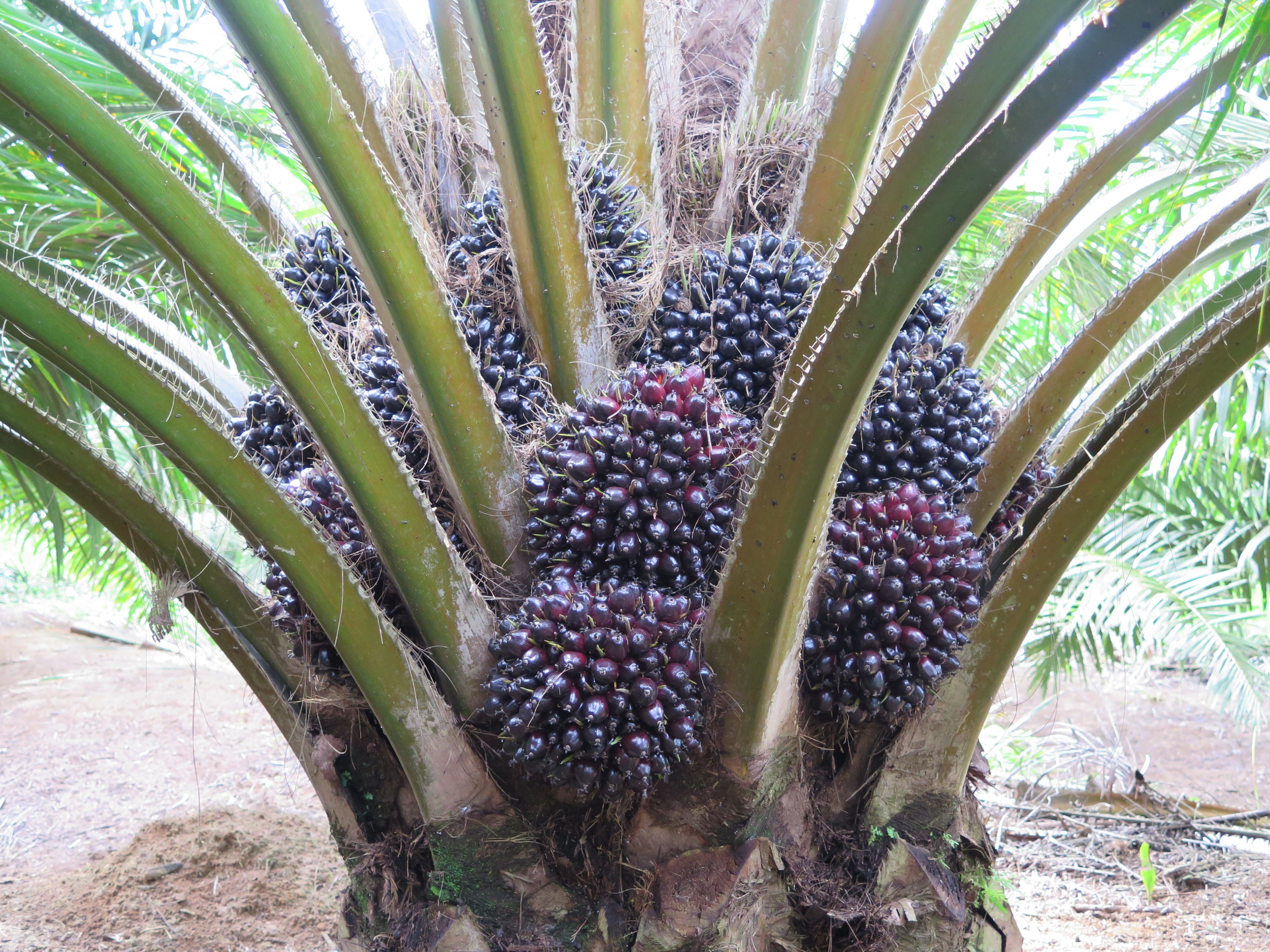
SIPEF cultivates oil palms on more than 85 500 hectares of land in Indonesia and Papua New Guinea.
SIPEF palm oil mills