History
1919: SIPEF is founded
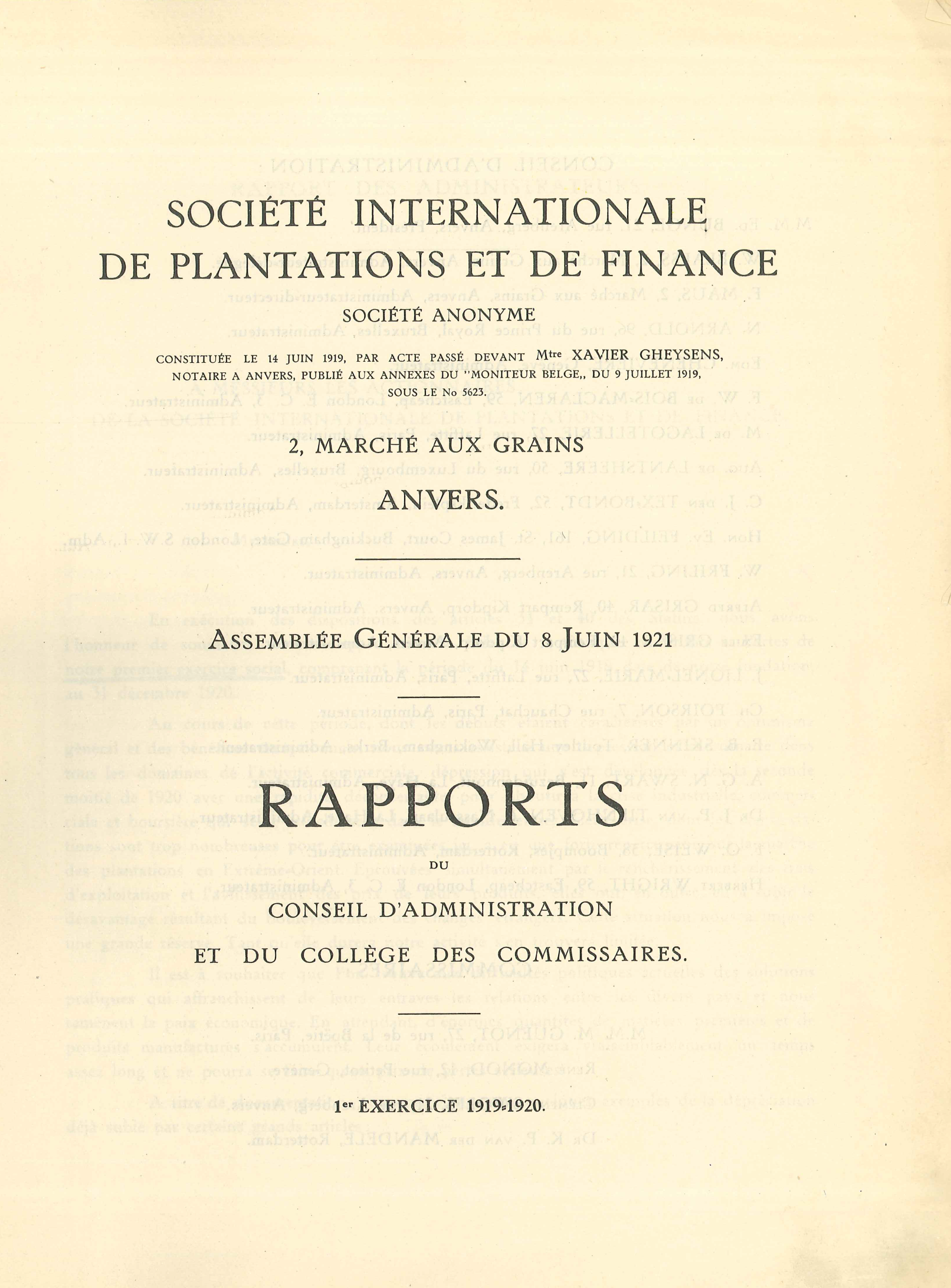
1920–1939: SIPEF begins trading
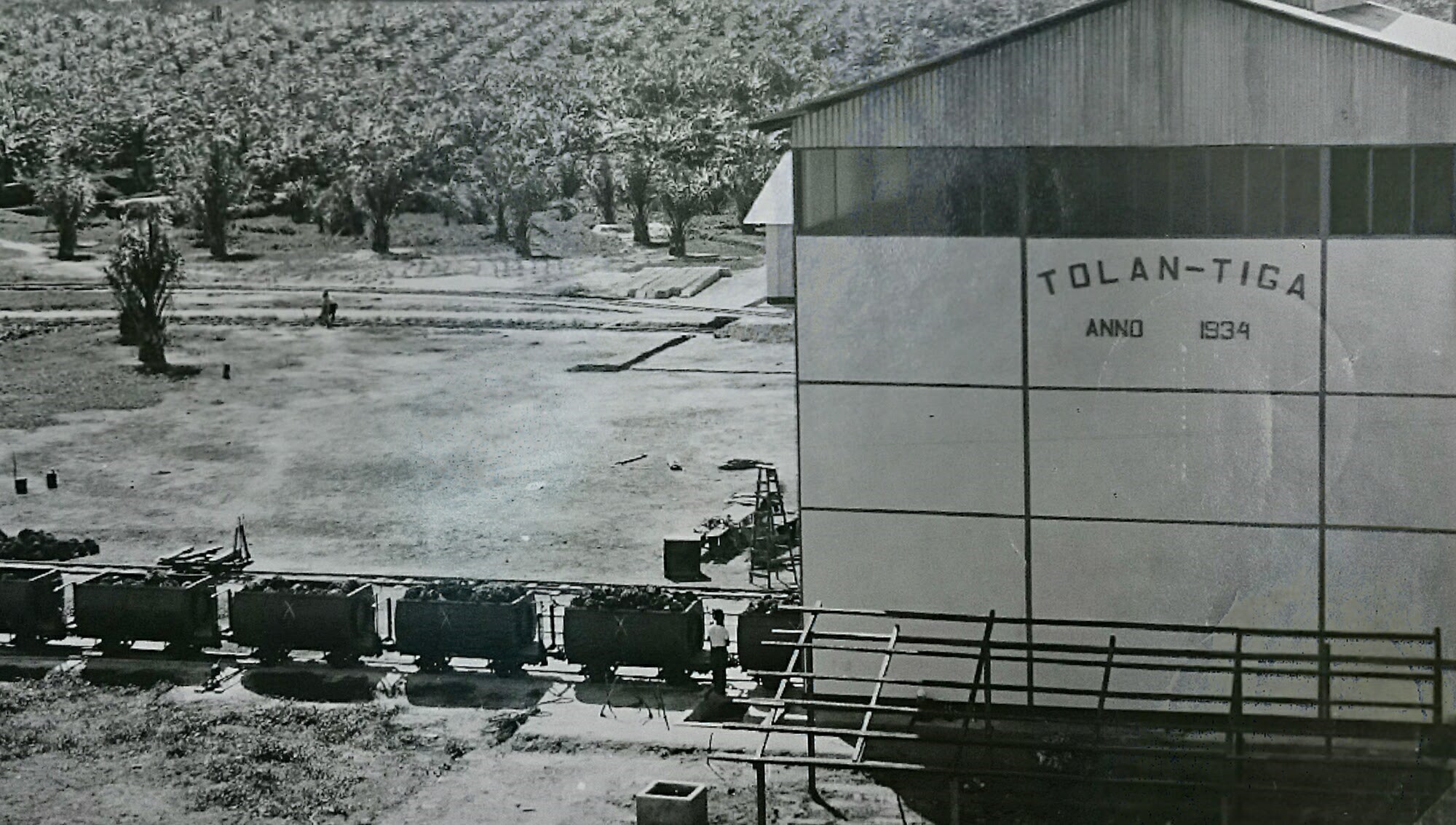
SIPEF begins trading with two agencies in the Far East: the Straits Agency in Kuala Lumpur, Malaysia, and the Sumatra Agency in Medan, Indonesia. Each provides financial and technical assistance to SIPEF's plantations, and is responsible for local and/or export sales of products.
1920: SIPEF shares are floated on stock exchanges in Antwerp, Brussels, Geneva, Amsterdam, and Rotterdam.
1940–1969: World War II (WWII) brings disruption
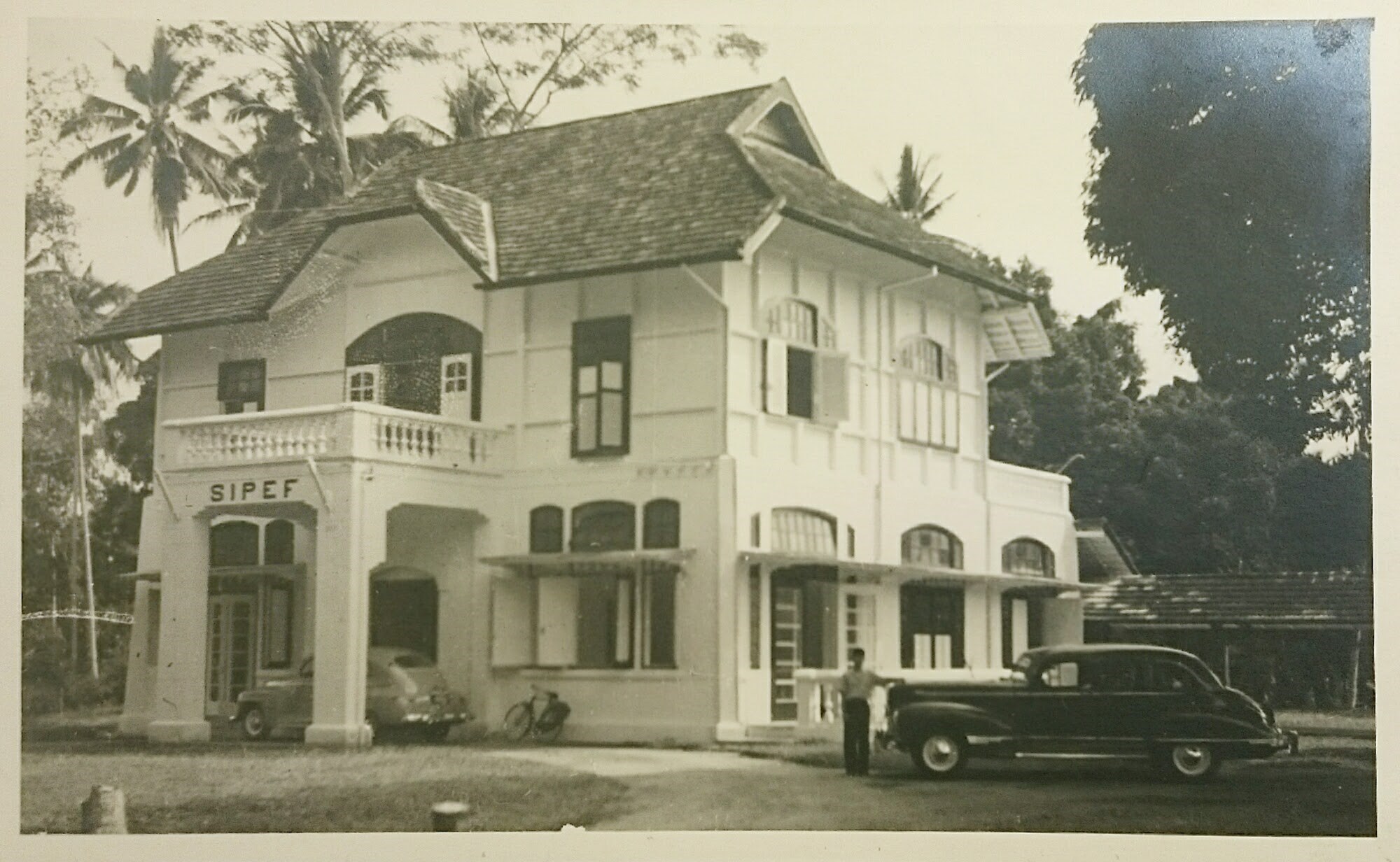
WWII causes major disruption to plantations.
In 1942, Japan invades the archipelago and orders the destruction of plantations for staple food production.
17 August, 1945: With the war over, the Japanese military leaves and Indonesia is declared a republic. It will take another four years to settle the social unrest linked to Communist and Islamic insurrections, during which companies are greatly weakened and partly nationalised.
1957: Dutch plantations are nationalised. SIPEF's plantations are run by the Dutch Government between April 1964 and May 1968.
In the late 1950s and 1960s, SIPEF begins diversification and takes an interest in rubber, palm oil, and coffee plantations in the Congo.
1970–1989: SIPEF diversifies
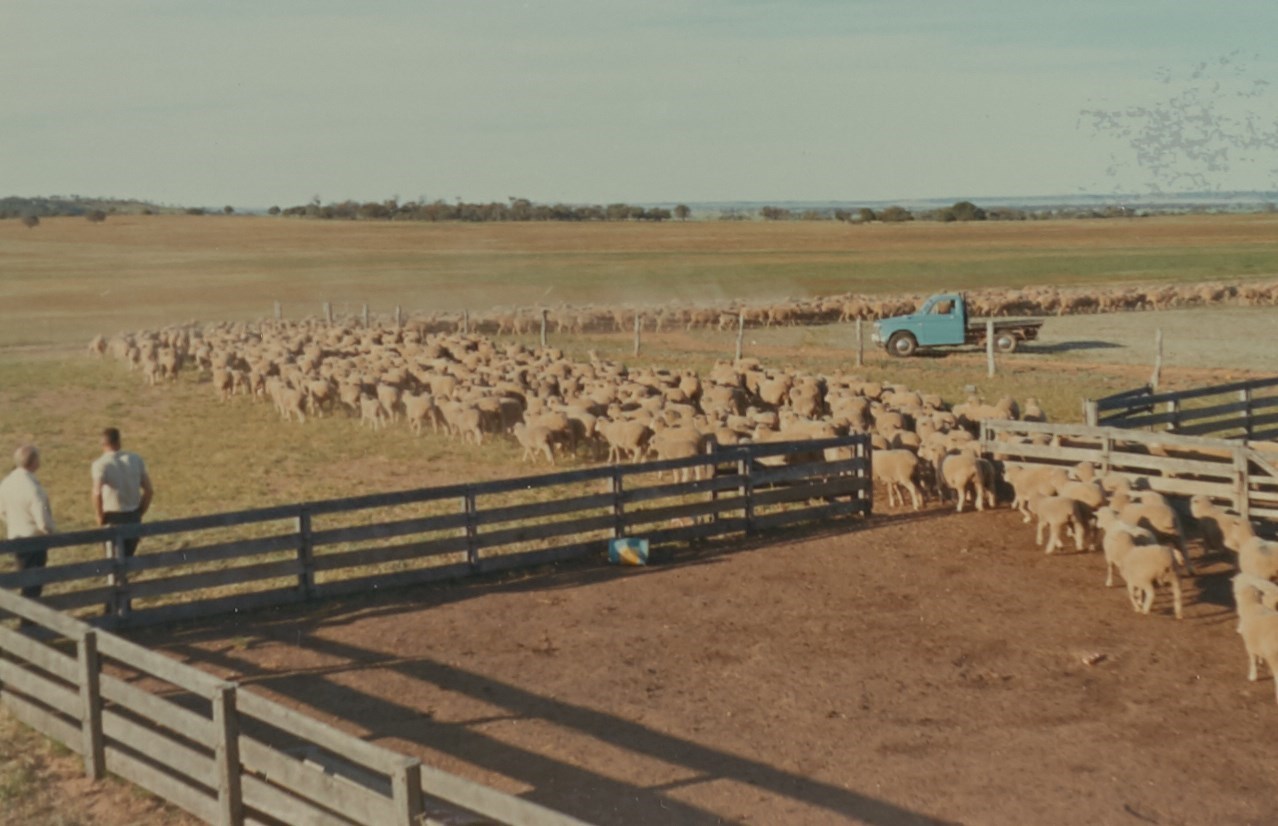
In 1970, SIPEF begins to introduce other crops, such as bananas, pineapples, ornamental plants, guava and pepper. The Group later invests in the real estate sector in Belgium and in the United States of America, as well as in cattle in Australia.
In the years that follow, SIPEF develops into an agro-industrial group, with production and export facilities spread around the world: Asia (Indonesia, Malaysia), Oceania (Australia, Papua New Guinea, Solomon Islands), Africa (the Congo/Zaïre, Guinea, Liberia, South Africa, Côte d'Ivoire) and South America (Brazil, Venezuela). It also commits to the trading activities of coffee, cocoa, grapes, mangoes, palm heart, spices, medicinal plants, and cinchona, and acquires a business in the insurance sector.
In 1987, SIPEF Engineering launches as a consultancy unit aimed at developing joint ventures with international bodies and/or governments.
By the end of the 1980s, SIPEF's activities represent more than 65 000 hectares in crop production, and more than 22 000 head of cattle and sheep.
1990–2009: SIPEF returns to core activities and earns first sustainability certifications
SIPEF re-concentrates its efforts in the agro-industrial sector, focussing on the sustainable production of palm oil, rubber, and tea in Indonesia and Papua New Guinea, and bananas in Côte d'Ivoire. The Group gradually divests 'non-core' activities, such as seasonal fruit production, cattle, and real estate.
In 2005, SIPEF joins the Roundtable on Sustainable Palm Oil (RSPO), and obtains its first RSPO certificate in 2009. SIPEF becomes one of the first companies to achieve full certification for its own plantations, as well as all of its smallholders, covering all of its activities in Papua New Guinea.
2010–2019 : Reinforcing sustainable growth
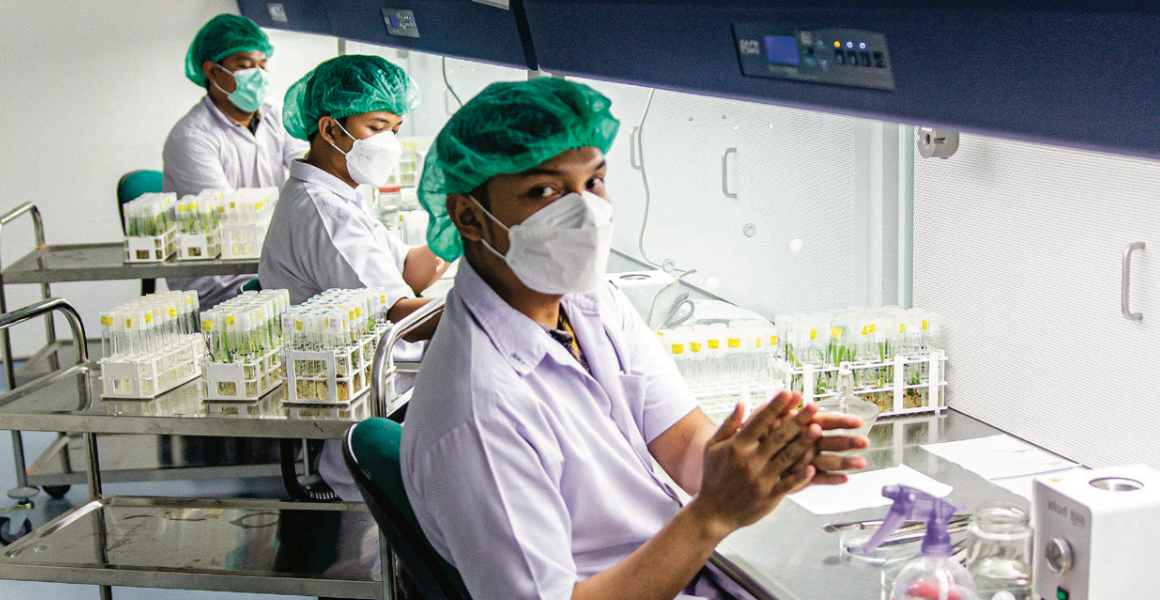
In 2013, SIPEF made a strategic investment in Verdant Bioscience Pte Ltd (VBS), a company specialising in oil palm genetics and planting material innovation. In January 2024, harvesting began on the first significant commercial area planted with Verdant Select material. The initial results delivered the highest first-year commercial yields achieved to date, reaching 25.5 tonnes of fresh fruit bunches (FFB) per hectare.
In 2014, SIPEF established its zero-deforestation policy (effective date stated by SIPEF as 31 December 2015), committing to no development on High Conservation Value (HCV) and High Carbon Stock (HCS) areas. It has since maintained zero deforestation incidents across all 15 320 hectares of conservation areas.
SIPEF produced its first sustainability report in 2016.
In May 2017, SIPEF completed a successful capital increase, through the issue of 1 627 588 new shares for a total of EUR 88.9 million (USD 97.1 million), allowing it to finalise the following operations:
- Acquisition of an additional 47.71% stake in PT Agro Muko, bringing the total stake of the Group to 95%;
- Acquisition of 95% of PT Dendymarker Indah Lestari. SIPEF took over the management on 1 August 2017, with the aim to optimise its developments in the Musi Rawas region, South Sumatra, including 2 780 hectares of existing smallholder cultivation (plasma)
In August 2018, SIPEF acquired 1 770 hectares of additional land rights in the province of Bengkulu, Indonesia.
2020 –present: Operational growth, leadership transition, and enhanced digital traceability
SIPEF's tenth palm oil mill, Agro Muara Rupit in South Sumatra, became operational in June 2024 with a processing capacity of 45 tonnes of fresh fruit bunches (FFB) per hour in its first phase. This marked the Group's seventh mill in Indonesia, supporting the continued expansion in South Sumatra.
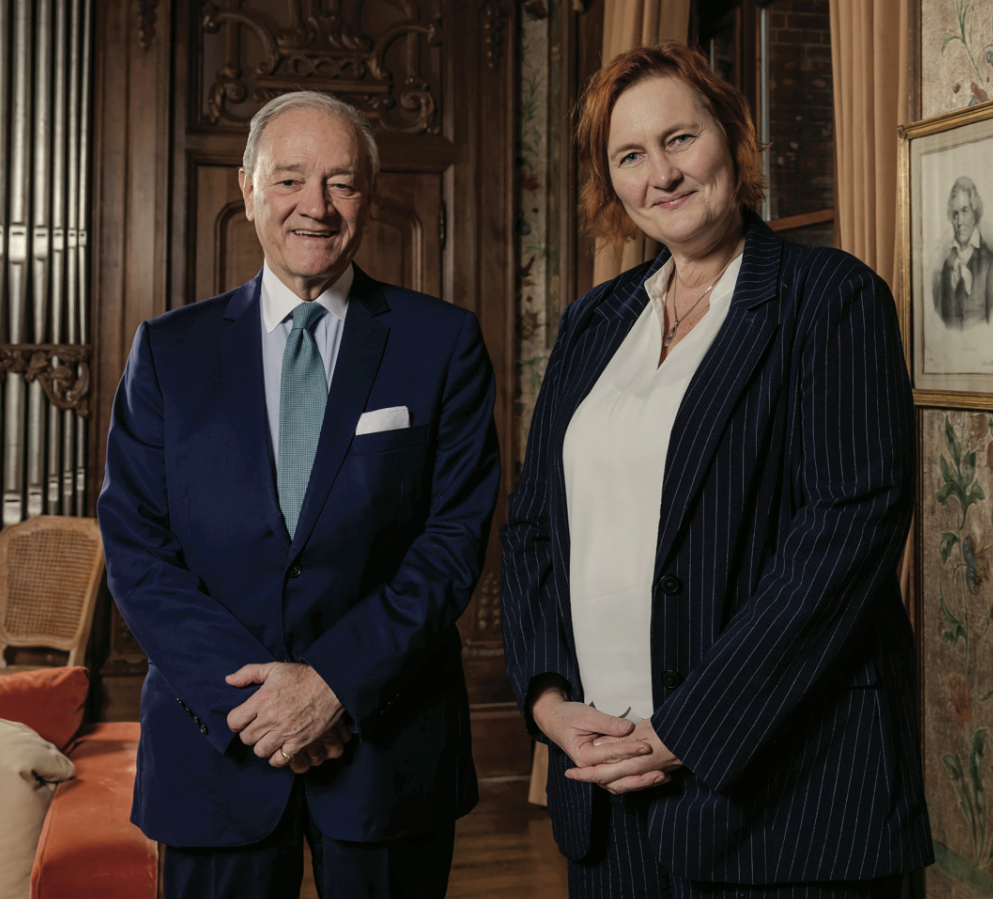
Petra Meekers was appointed as managing director and chairman of the executive committee on 1 September 2024, succeeding François Van Hoydonck. This appointment marked a significant milestone in SIPEF's commitment to gender diversity, with Meekers bringing over twenty years of experience in sustainability within the palm oil industry to the leadership role.
In October 2024, SIPEF launched an upgraded version of GeoSIPEF, its digital traceability platform. The enhanced platform includes a dedicated customer portal and expanded geospatial mapping capabilities, enabling traceability from plot to mill to shipment while strengthening data transparency, privacy, and security across the value chain.
In December 2025, SIPEF's first bio-compressed natural gas (bio-CNG) plant became operational at Perlabian mill in partnership with KIS Group, converting palm oil waste into renewable energy for Unilever Oleochemical Indonesia and reducing 54 810 tonnes of CO2 annually.